
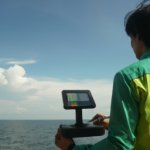
Expert Marine Surveys in Rain or Shine: Sarasota Weather Report

Sunshine, sea breezes, and sudden downpours have all taken a turn over Sarasota in recent days. Boaters know the drill: clear skies at sunrise, a fast-moving squall by lunch, then a golden-hour calm that begs for a sunset cruise. While the Gulf’s changing mood adds character to our coast, it also raises smart questions about vessel condition, safety, and timing for inspections. The bottom line is simple: the right team keeps your plans moving forward, rain or shine.

At Sun Coast Marine Surveying, we’re built for Florida weather. Our approach blends flexible scheduling with precise methodology, so you get a reliable assessment whether the forecast shows blue or gray. We use advanced tools and proven workflows to document what matters: structural integrity, systems performance, and risk points that can emerge after heavy rain, high humidity, or gusty squalls.

Here’s how we adapt without sacrificing quality. We monitor radar to plan around passing cells, perform topside and interior checks under cover when necessary, and use calibrated moisture meters, thermal imaging, and corrosion assessments to separate surface dampness from genuine water intrusion. Hull sounding, electrical testing, steering and propulsion reviews, and photo-rich documentation ensure nothing is left to guesswork. When the weather turns on a dime, a seasoned knows how to adapt while keeping safety and thoroughness front and center.

If you’re navigating a purchase, insurance renewal, or post-storm peace of mind, timing matters. The Gulf’s microclimates can hide issues like saturated core, strained shore power connections, or premature corrosion. We look for telltale signs amplified by wet conditions and provide clear, prioritized findings so you can make confident decisions quickly. Same-day preliminary summaries are available, followed by a comprehensive report with actionable recommendations.

Practical tips for Sarasota boaters during rainy stretches:
– Test bilge pumps and float switches; confirm automatic modes and clean strainers.
– Inspect deck fittings, hatches, and seals for drips that can escalate into core damage.
– Check shore power cords, connections, and GFCIs; moisture and electricity don’t mix.
– Verify battery health and charger settings to manage extended dock time.
– Refresh dock lines and chafe gear before windy afternoons.
– Ventilate cabins or run a dehumidifier to curb mildew and protect electronics.

For buyers, don’t delay an inspection because of a passing shower. Damp days can actually reveal leaks and weaknesses that bright sun hides. For owners, a targeted check after a storm front can catch minor issues before they become costly repairs. Either way, you deserve a clear, unbiased picture of your vessel’s condition—delivered with professionalism and punctuality.

Our local knowledge is an advantage. Sarasota’s blend of open Gulf exposure, shallow bays, and busy marinas creates unique stressors on hulls, hardware, and systems. We factor in the environment your boat actually faces: salt, heat, UV, vibration, and the occasional drenching squall. That context informs every recommendation, from sealant choices to maintenance intervals and insurance documentation.

Weather should guide a smart plan, not stop your momentum. We coordinate with sellers, brokers, captains, and yards to keep logistics smooth, minimize downtime, and protect your schedule. Expect clear communication, straightforward pricing, and a report that stands up to insurers, lenders, and your own high standards.

If you’re ready for dependable, weather-savvy service in Sarasota, we’re here to help. Sun Coast Marine Surveying is committed to delivering high-quality inspections that keep your boating goals on course—whether clouds build offshore or the sun breaks through. Contact Sun Coast Marine Surveying to book your appointment and move forward with confidence, rain or shine.

Marine Surveyor

Stay Ahead of the Weather: Sarasota Boat Inspections with Sun Coast Marine

Recent days in Sarasota have reminded us why coastal living is both exhilarating and unpredictable. One moment, the sun casts a sparkling path across Sarasota Bay; the next, a swift sea breeze stirs up choppy water and a passing squall sweeps through. Locals know how quickly conditions can shift—””—and boat buyers feel those changes most when they’re trying to plan inspections and sea trials. The good news: there’s a reliable way to keep your purchase moving forward, no matter what the sky is doing.

At Sun Coast Marine Surveying & Consulting, we understand the rhythm of Gulf weather and how it affects boats, marinas, and scheduling. Our team builds flexibility into every pre-purchase survey, coordinating around rain bands, tides, and small craft advisories to keep you on track. When lightning or heavy winds make a sea trial unsafe, we pivot to dockside evaluations, then return to the water as soon as conditions improve. The result is a comprehensive assessment without unnecessary delays.

Why does weather matter so much for a pre-purchase inspection? Because conditions influence how a vessel tells its story. After a week of downpours, moisture readings can reveal hidden issues in decks or core materials. Following a string of hot, sunny days, UV exposure on canvas, gelcoat, and sealants becomes easier to evaluate. Post-storm, fittings, wiring, and corrosion-prone areas deserve an extra close look. Our surveyors use calibrated moisture meters, thermal imaging, and visual inspection techniques to separate normal wear from problems that affect safety, performance, or value.

Engine rooms and electrical systems also respond to Sarasota’s shifting weather. Humidity and salt air can accelerate corrosion on terminals and bonding systems; heat stresses cooling components; and sudden squalls test bilge pumps and battery health. We examine these systems methodically, document findings with clear photos, and translate technical details into plain language so you can make confident decisions.

When the forecast allows, we move to sea trials on Sarasota Bay or nearby passes to see how the boat behaves under real operating conditions. This is where ride quality, engine performance, steering, and trim setup come into focus. If the breeze kicks up, we can gather valuable data on stability and helm feel in chop; if it’s glassy calm, we pay closer attention to acceleration, vibration, and temperature trends. Either way, you get actionable insights tailored to how you plan to use the vessel.

For buyers aiming to close on a tight timeline, our scheduling team works closely with brokers, marinas, and haul-out yards to minimize weather-related hiccups. We plan haul-outs around radar windows, prioritize critical checks first, and maintain open communication throughout. You’ll know exactly what has been inspected, what remains, and when we can safely complete the rest.

Thinking ahead can also save you money. If recent storms rolled through, it’s smart to ask for a targeted post-weather assessment to rule out impact or water intrusion before finalizing terms. If the last few weeks were dry and sunny, UV wear and cooling efficiency deserve extra attention. In either scenario, Sun Coast Marine Surveying & Consulting tailors the scope to the boat’s make, age, and your intended use—cruising, fishing, liveaboard, or weekend runs to the barrier islands.

Bottom line: Sarasota’s skies may be moody, but your purchase doesn’t have to be. With a flexible game plan, the right tools, and a local team that knows these waters, you can keep momentum and protect your investment. Reach out to Sun Coast Marine Surveying & Consulting to schedule your pre-purchase survey, discuss weather contingencies, and map out the clearest path from first look to final handshake—rain or shine.

Why I Regret Buying a Used Chainsaw: A First-Person Horror Story

Introduction
Can Anyone Tell Me why a bargain always looks brightest right before it burns you? I’m careful with money, and buying used has treated me well in the past—tools, bikes, even a vintage radio that still hums. But the day I brought home a used chainsaw from a classifieds ad, I remembered exactly why I sometimes hate secondhand treasures.

The bargain and the first cuts
The seller met me in his driveway, the saw gleaming like it had something to prove. He pull-started it, revved confidently, and handed it over with a shrug and a friendly price. Back at my place, it ate through the first pine like a beaver on espresso. For half an hour I felt like a lumberjack with a secret. Then, mid-cut, the pitch changed, the power sagged, and the engine seized with a sound like a door slamming shut on my weekend plans.

The autopsy
I set it on the bench and let it cool, hoping it would forgive me. No luck. Pull cord locked. When I cracked the muffler and peeked at the piston, the story was written in silver streaks: scoring, heat, and heartbreak. Wrong oil mix? Cheap fuel? Air leak? Maybe all three. A friend of mine, a seasoned , would have spotted the red flags immediately—overscrubbed plastics, mismatched fasteners, and a seller too eager to demo it only when already warm.

What I learned
Here’s the part that’s useful, even if it stings. Don’t just listen to a warm start; insist on a true cold start. Pull the plug and check compression with your thumb or a gauge. Inspect the air filter and intake boot for dust lines that scream “unfiltered.” Look for aluminum glitter in the bar oil—tiny warnings of internal wear. Verify the chain oiler works by holding the tip near a light surface and revving lightly. And yes, ask for a five-minute stress test: crosscut, idle, restart. Can Anyone Tell Me why I thought a driveway demo and a smile were as good as a checklist?

Conclusion
I’m not swearing off used gear forever. There’s value in giving tools a second life, and there’s satisfaction in knowing what you’re looking at. But that chainsaw taught me that a low price can be the most expensive line on the receipt if you skip the basics. Next time, I’ll bring a small kit, a critical eye, and the patience to walk away. The best savings, I’ve learned, come from the buys you don’t make—and the lessons you only have to pay for once.

Marine Surveyor

My Used Chainsaw Seized Up After Just 30 Minutes of Use

I spotted the chainsaw at a Saturday yard sale, gleaming under a film of old oil like it had stories to tell and plenty of bite left. The seller swore it was a solid runner, said he’d just replaced the plug, and fired it up with a confident tug. It barked awake, and I was sold—literally and emotionally—thinking of the stack of storm-felled limbs waiting behind my shed.

Back home, I gave it a once-over that I’d call “optimistically thorough.” Chain tension looked decent, bar oil topped off, air filter dusty but passable. I mixed fresh fuel, shook the can like a maraca, and told myself this was going to be an afternoon of productive noise. Pull, choke, pull—she lit right up. The first cut was buttery, the second cleaner than I expected, and I got into that woodlot rhythm: throttle, chips flying, a slow step back, line up the next limb.

My neighbor Joe wandered over with his coffee, watching me like I’d finally joined the competent adult club. He’s a , which is to say he makes a living telling people what expensive machines are hiding, and he has that calm, diagnostic stare that notices everything. He nodded approvingly at the cut pile, mentioned the smell of the fuel, and said not to baby it; these engines like to work, not idle.

Exactly thirty minutes in, the saw changed its tune. A thin hiss slipped into the exhaust note, the throttle felt hollow, and then the thing locked mid-bite with a metallic cough. The chain stopped dead. When I tried to pull the starter, it wouldn’t budge—like the cord had been concreted in place. The silence that followed had the tense feel of a classroom after someone knocks over a beaker.

I set the saw down and ran through the quick checks. Bar oil was fine. Chain wasn’t bound. Nothing obvious stuck in the sprocket. Fuel smelled fresh, but heat wavered off the case. We let it cool while Joe sipped his coffee and I stared at my choices. After ten minutes, the cord moved again—scratchy, not smooth—like the cylinder had grown sandpaper. It tried to fire once, a wheezing gasp, then quit. That’s when the pit in my stomach decided to unpack a suitcase.

Can Anyone Tell Me why every bargain I bring home waits until I’m finally confident to reveal its fatal flaw? Joe floated the usual suspects: lean carb settings, air leak at a crank seal, or the classic—wrong oil ratio burning the piston. He showed me the scorched plug, the tiny flakes of aluminum, and the smeared look on the cylinder port. “Heat seized,” he said, not unkindly. “Might free up. Won’t be happy again without a top-end.”

I learned more in the next hour than I had in a dozen videos. Cooling fins packed with dust can turn an engine into a kiln. An air filter that looks “okay” can still starve the mix and lean it out. Ethanol-laced gas that sits too long can gum a carb and create a death rattle you only hear once. Compression isn’t a vibe; it’s a number you should measure before you hand over cash.

That evening I priced a piston and cylinder kit and weighed the math against a shop rebuild and the cost of a refurbished saw with a warranty. Can Anyone Tell Me the trick to telling when a seller’s “runs great” actually means “run away”? Next time, I’ll insist on a cold start, a full-load test, and a long enough run to see if the heat brings out any ghosts. The yard sale win turned into a workshop lesson, and while my woodpile didn’t get taller, my patience did—and that might be the tool I needed most.

Why Marine Surveys are Important

marine surveyor Sarasota fl 10 times

Why Marine Surveys are Important

A marine surveyor is a professional who inspects and provides expert advice on maritime vessels. They are highly trained specialists in the areas of hull construction, stability, and seaworthiness. Marine surveys can help protect an individual or company from costly repairs, legal liabilities, and other issues related to boat ownership. A good will provide a thorough inspection of the vessel’s condition and advise whether any corrective work should be done. In this article, we’ll look at why marine surveys are important and how Sun Coast Marine Surveying can help you make an informed decision about your maritime investments.

First and foremost, marine surveys are important for safety. The purpose of a marine survey is to assess the condition of a vessel so that any unsafe conditions are identified and corrected before the vessel is used. A well-trained and experienced surveyor Sarasota will be able to spot potential problems such as hull deterioration, hidden structural faults, engine defects, and improper electrical installations. These defects can lead to serious accidents if left unchecked, so it’s essential to have them inspected by a qualified marine surveyor.

The second reason why marine surveys are important is to protect your investments. If you’re planning to buy a vessel or are considering purchasing one, it’s always wise to get a marine survey first. This will give you assurance that you’ve made the right choice and that the boat you’re buying is in good condition. A knowledgeable will also point out any potential deficiencies that could reduce the value of the vessel down the road.

Lastly, getting a marine survey is important for insurance purposes. Most insurance companies require that you have a survey completed before they will insure a boat. A marine surveyor Sarasota can determine the value of the vessel as well as any potential risks associated with it. This information is necessary in order to get an accurate policy premium rate on your boat’s insurance.

At Sun Coast Marine Surveying, our mission is to help clients make informed decisions about their maritime investments. We are committed to providing quality service with the highest standards of professionalism and customer satisfaction. Our team of highly skilled marine surveyors are equipped with the latest technology and techniques to deliver accurate assessments of all types of vessels. With our expertise and experience, we can guarantee a swift and reliable surveying process each and every time.

We know that investing in boats requires an extra layer of security and accuracy, which is why we take utmost care when conducting our surveys. Every step of the process is conducted precisely according to industry regulations and guidelines for maximum accuracy and protection. Our surveyor Sarasota professionals check every component of the vessel—from power sources to navigation systems—for signs of wear and tear that could affect its performance and safety.

If you’re looking for a reliable partner when it comes to your maritime investments, you can always count on Sun Coast Marine Surveying. Our top-notch professionals have what it takes to provide you with the comprehensive solutions you need when it comes to buying, selling, and maintaining a boat. Contact us today for more information on how we can assist with your marine survey needs. r

Marine Surveyor Sarasota